

.jpg)
Summary
We began studying hunger in Massachusetts in 2020 with a focus on gaps in food access, the theme of our 2021 report. This year, our report reveals that hunger continues to rise, even as most households experiencing food insecurity are actively using a complex network of government and charitable food and nutrition assistance programs. While participation reflects the importance and reach of these supports, the findings make clear that they are not enough to lift families out of food insecurity. Instead, the system is difficult to navigate, forcing households to piece together resources across multiple programs, agencies, and services just to meet basic needs—often while working multiple jobs, caring for family members, and addressing transportation and health challenges.
Even with consistent access to government programs, such as SNAP, WIC, school meals, and MassHealth nutrition assistance, households with food insecurity report making impossible choices between food and other basic household needs. On average, people experiencing food insecurity reported needing about $100 more per week per household to afford enough food without reliance on the charitable food system—equivalent to up to an estimated $3.3 billion gap statewide annually. These findings underscore that current program investments are insufficient to meet the true cost of food and basic living needs.

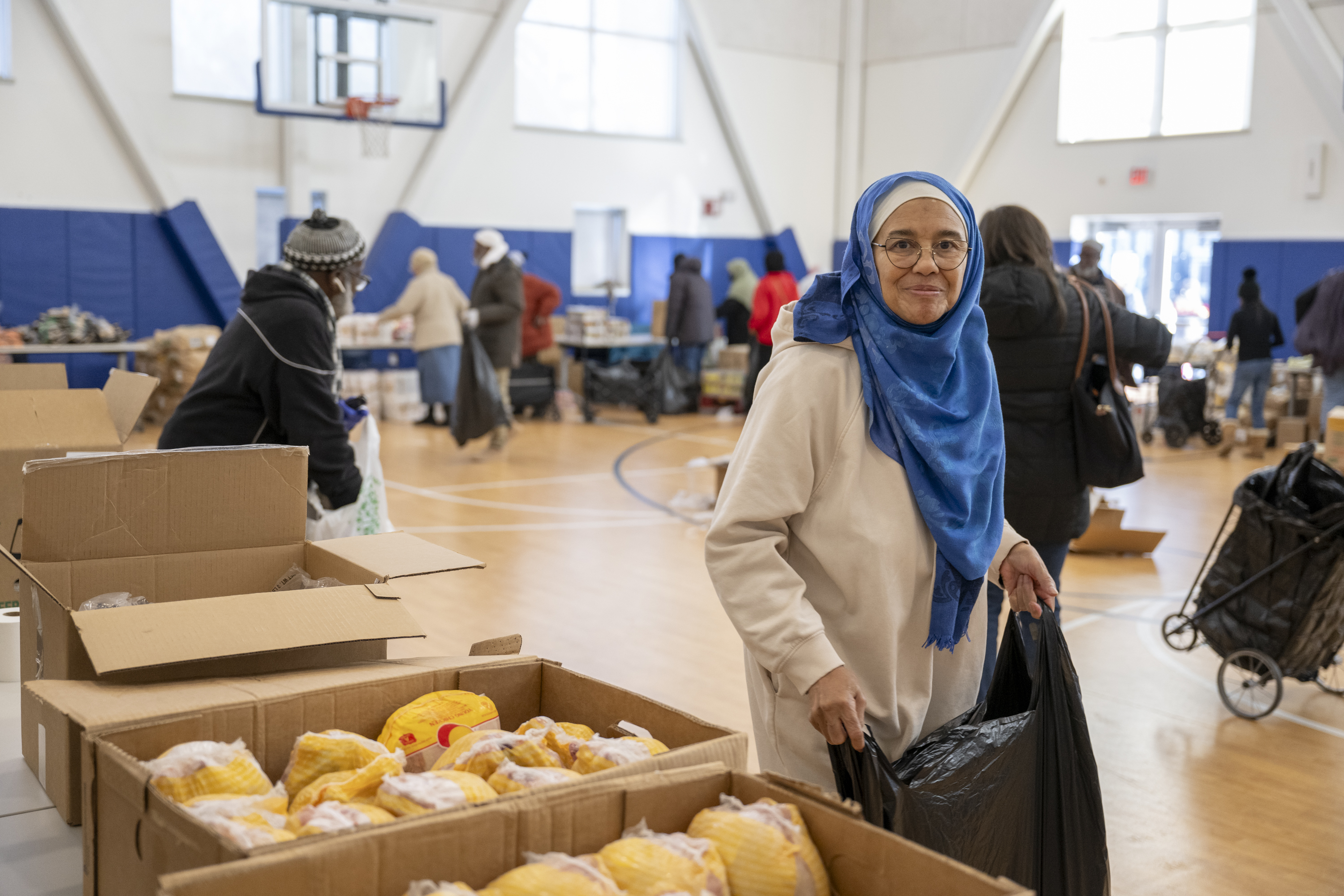
In 2025, Massachusetts recorded the highest rate of charitable food and nutrition assistance use among households with food insecurity since before the pandemic, reflecting sustained need and growing strain on food banks and community partners.
At the same time, policy changes have significantly decreased funding for the nutrition safety net. The ongoing affordability crisis, the rollback of pandemic-era supports, and recent cuts to programs such as The Emergency Food Assistance Program (TEFAP) have increased pressure on charitable food systems nationwide.
The enactment of the H.R. 1, the “One Big Beautiful Bill Act” in July 2025, which restructures SNAP in ways that reduce benefit adequacy, tighten eligibility, and shift administrative and programmatic costs to states, is expected to further increase demand on food banks. This reduction in access for over 100,000 households makes state-level action increasingly urgent.
Recommendations
In response to federal policies and the rise of hunger, we recommend increasing funding for the state's programs below, and call for long-term system changes.
With hunger on the rise and federal policy shifts compounding pressure on households and service systems, the state must respond with urgency. We call for immediate increases in funding for the programs below and sustained structural reforms to build a food security system capable of meeting escalating needs, while managing the existing crisis.
Urgently Strengthen Government Food and Nutrition Programs
- Increase the state’s investment in the Massachusetts Emergency Food Assistance Program (MEFAP) funding to $58 million to meet rising levels of food insecurity. MEFAP bolsters the local economy and helps to expand access to fresh, local food.
- Increase state funding for the Department of Transitional Assistance to $30 million to support an accessible, efficient, and cost-effective Supplemental Nutrition Assistance Program (SNAP). Additional investment now offers a pathway for the Commonwealth to decrease SNAP error rates and thus decrease future costs to the program.
- Maintain and expand access to federal and state programs including The Emergency Food Assistance Program (TEFAP), the Special Supplemental Program for Women, Infants, & Children (WIC), universal free school meals, the Commodity Supplemental Food Program (CSFP), the Healthy Incentives Program (HIP), and the MassHealth Health Related Social Needs (HRSN) Supplemental Nutrition Services program.
Advance Food Security Through Healthcare and Research
- Strengthen health system-based food insecurity screenings and referral pathways for people experiencing hunger by investing in coordinated navigation services that help people access and enroll in nutrition and health support programs.
- Expand Food is Medicine/Food is Health initiatives to prevent and treat diet-related illnesses and invest in research that builds the evidence base for effective, scalable food and nutrition security interventions.
Expand Access to Affordable, Locally Produced Foods
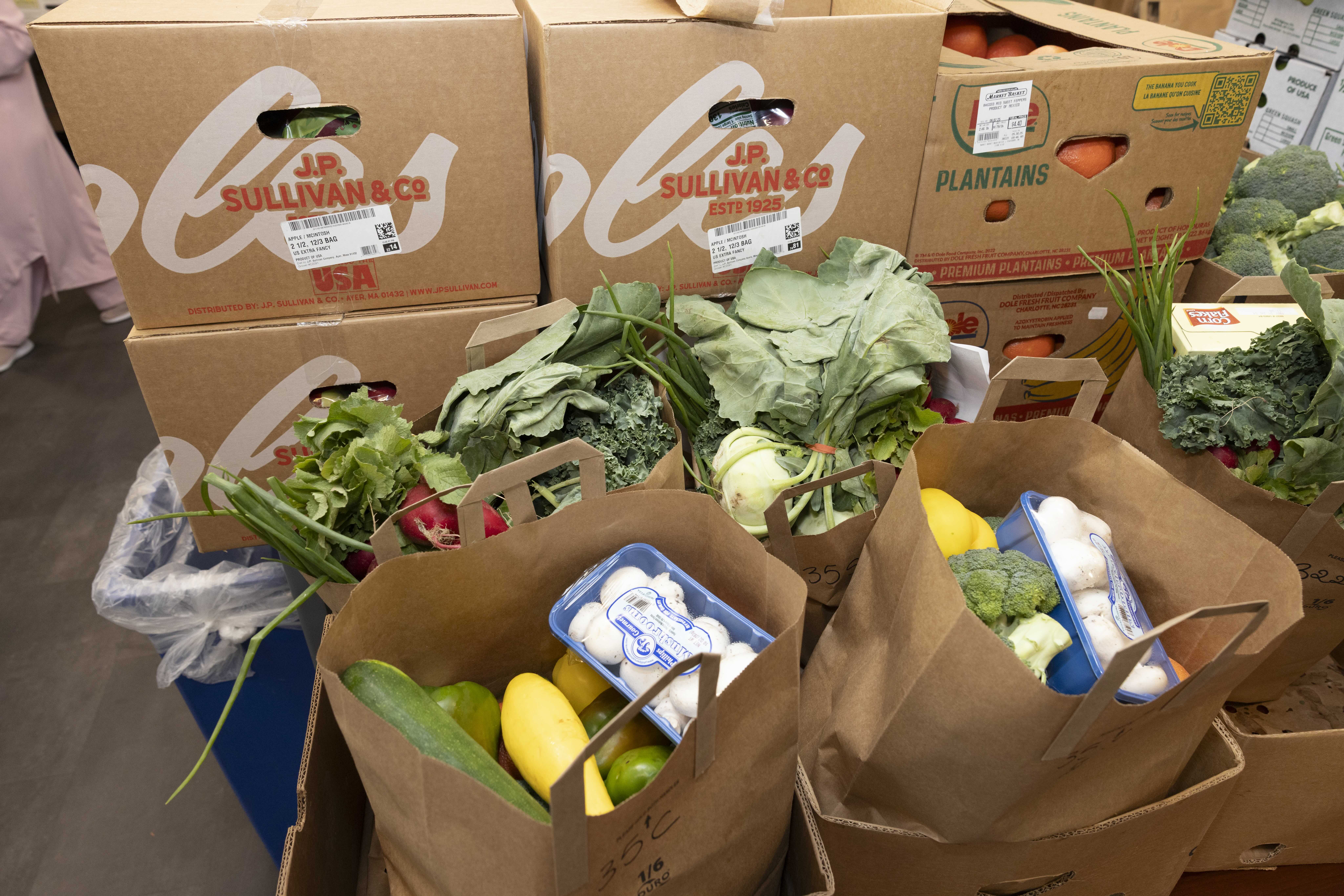
Invest in local food systems to increase the availability and affordability of nutritious, Massachusetts-grown foods across the Commonwealth, including through MEFAP, Food Security Infrastructure Grants (FSIG), and HIP.
Invest in Community Infrastructure, Social Connection, and Participatory Design
Advance policies and investments that strengthen community networks and food security through a dignified, community-centered safety net, embedding shared decision-making by centering people with lived experience in program, data, and policy design.
Address the Root Causes of Food Insecurity
- Advance sustained, systems-level reforms through state and federal policy action that dismantles the structural inequities producing food insecurity, including racism, gender-based violence, nativism, classism, and ableism. These inequities disproportionately impact LGBTQ+ individuals, immigrants, people of color, people with disabilities, older adults, and households with children—particularly single-woman-led households1—by limiting access to stable employment, livable wages, affordable housing and childcare, healthcare, and nutrition supports.
- In parallel, enact coordinated legislative and budgetary strategies that address the primary drivers of hunger—including income inadequacy, low wages, housing instability, benefit access barriers, and health inequities—through investments in living wages, affordable housing, accessible healthcare, and strengthened food and nutrition assistance programs.
Together, these actions will strengthen household financial stability, reduce reliance on emergency food systems, and shift public systems from managing hunger to preventing it. We can ensure families have the economic stability necessary to meet their food needs independently and with dignity.